All Categories
Featured

Essential Medicare Enrollment Advice in 2026
Table of Contents
An HMO Medicare Benefit plan supplies a network (referred to as an "HMO network") of health care companies and hospitals to its customers. It's required for a patient to select a main care doctor to handle their healthcare and offer recommendations to any providers that are not in the plan's network, except in case of an emergency situation.
Not as lots of claims to file due to in-network care. The ease of having a medical care physician to coordinate and handle the care offered. Typically, lower costs for prescriptions. A client can just see providers within the plan's network unless they have a referral for an outdoors expert, or it's an emergency circumstance.
Nevertheless, unlike an HMO plan, a PPO Medicare Advantage plan permits more flexibility when seeing out-of-network service providers. It's not needed to have a referral to see an out-of-network specialist although it might be more pricey and take additional time to get insurance protection given that a client need to submit a claim for coverage each time they see an out-of-network provider.
The patient has more versatility with which suppliers they select to see, whether they're within the plan's network or out-of-network. The majority of times, there is no requirement for a recommendation if a client cares to see an out-of-network professional. Higher monthly premium. Probably, higher monthly premiums. The patient is accountable for managing their healthcare instead of a medical care service provider.
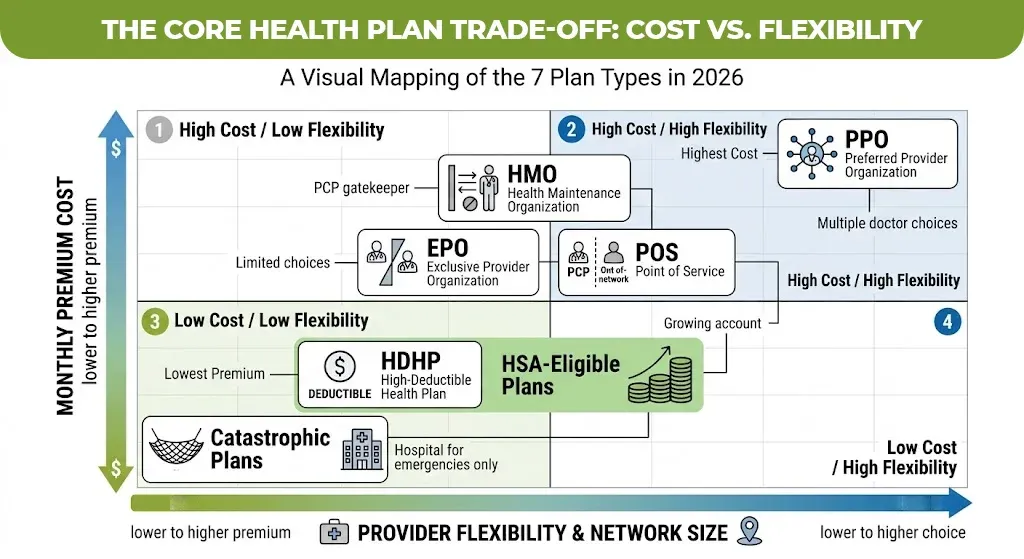
An EPO insurance plan, or an 'Unique Supplier Organization' insurance coverage plan, is frequently called a strategy that is "positioned between an HMO and PPO." This is because, like a PPO plan, an EPO does not require a client to stay in-network for care significance, no referrals or emergencies are essential for seeing an out-of-network company.
Insurance in Pomona CAEvaluating Best Medicare Advantage Options
Although this plan is less widely known, it often offers a much larger network than an HMO.A POS insurance plan, or a 'Point of Service' insurance plan, is also known to "mix aspects of HMO and PPO plans." This is because, like an HMO plan, a POS insurance coverage plan requires a client to have a medical care physician that handles their healthcare and provides them recommendations to out-of-network professionals or providers.
The Medicaid program supplies Americans with low to no charge health care to individuals/households that have limited earnings or impairments. Alongside Medicaid is a program referred to as CHIP or 'Children's Medical insurance Program,' which is a state funded program where clients pay low to no expense healthcare for kids and pregnant women who have actually limited earnings.
According to the internal revenue service, the deductible is at least $1,400 for a specific and $2,800 for a household. In order to fight the high deductible cost, it is recommended that a patient contributes to an HSA/HRA or a 'Health Cost Savings Account'/'Health Repayment Plan,' which companies typically add to annually as well.
Another aspect to keep in mind about this plan is that it secures the patient from "disastrous out-of-pocket expenses for covered services." What this indicates is that, once a client's "yearly out-of-pocket expenses for covered services from in-network service providers, consisting of deductibles, copayments, and coinsurance, reaches the established devastating limit," the insurance company will cover all expenses.
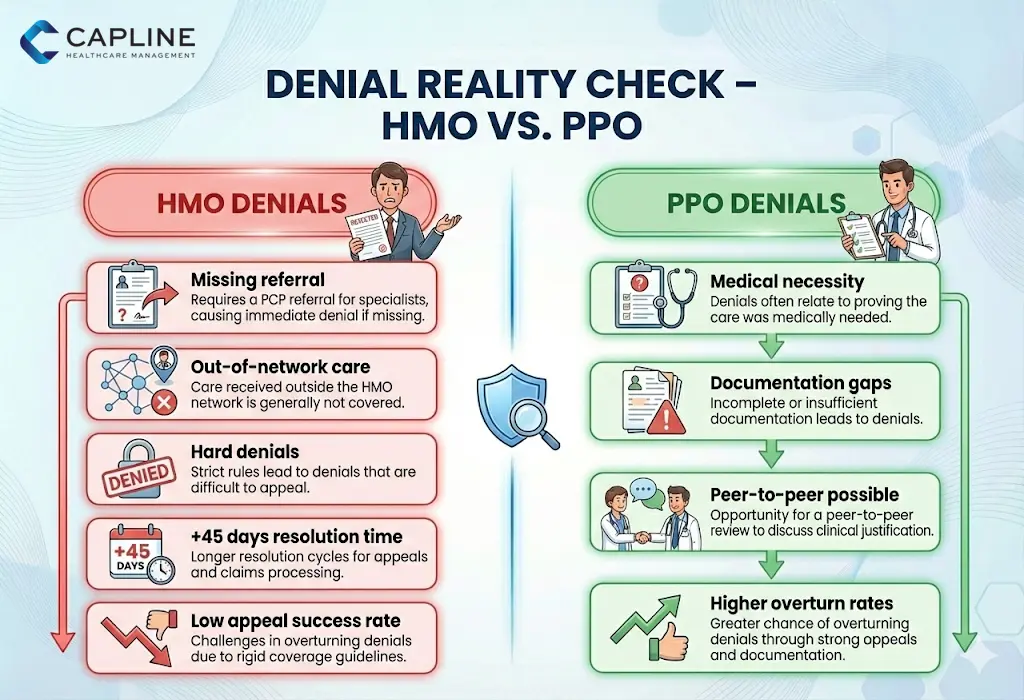
HMO and PPO strategies share particular functions. Both use a broad network of suppliers to pick from, both deal emergency care coverage throughout the United States, and both typically consist of coverage for prescription drugs. There are some main distinctions between HMO and PPO plans. HMO strategies require members to select an in-network PCP to assist handle their care and provide recommendations.
Securing Burial Insurance for Seniors
HMOs will not cover care from an out-of-network supplier. PPOs will, but you'll likely save when you remain in network. HMOs usually have lower premiums and out-of-pocket costs. PPOs may cost more, but they use more versatility.
It's great to have options. When it comes to health insurance coverage, you have your option of numerous strategy types. Two popular types you'll frequently see are HMO and PPO. Differences between HMO (Health Maintenance Organization) and PPO (Preferred Service provider Company) strategies include network size, capability to see professionals, costs, and out-of-network coverage.

An HMO provides you access to certain doctors and hospitals within its network. A network is made up of suppliers that have actually consented to decrease their rates for plan members and likewise fulfill quality standards. Unlike PPO strategies, care under an HMO plan is covered only if you see a supplier within that HMO's network.

Latest Posts
Essential Medicare Enrollment Advice in 2026
How IUL Policies Secure Retirement
Comparing PPO vs HMO Insurance