All Categories
Featured

Comparing PPO vs HMO Insurance
Employee repayments will be tax-free if their specific health insurance uses minimum vital protection (MEC). Companies can repay employees for out-of-pocket expenditures and medical insurance premiums, consisting of those for an HMO or PPO strategy. Private coverage HRA (ICHRA): An ICHRA is also a stand-alone HRA, but it's available to employers of all sizes and has no contribution limitations.
They should have a qualifying type of individual health coverage to get involved. Companies can set different allowances based on employee classes for included personalization. Group protection HRA (GCHRA): Likewise understood as an incorporated HRA, a GCHRA is for employers of any size who offer a group health strategy. Only employees enrolled in their company's group plan can get involved.
While they have no maximum contribution limits, the internal revenue service does not enable repayments for monthly premiums. No matter whether it's used in coordination with an HMO or PPO strategy, there's an HRA that can assist employees spend for their out-of-pocket medical expenses and, in some cases, their health insurance premiums. An HRA is a popular alternative option over standard health benefits since they're affordable for companies and versatile enough for every employee.
Why Whole Insurance Builds Family Wealth
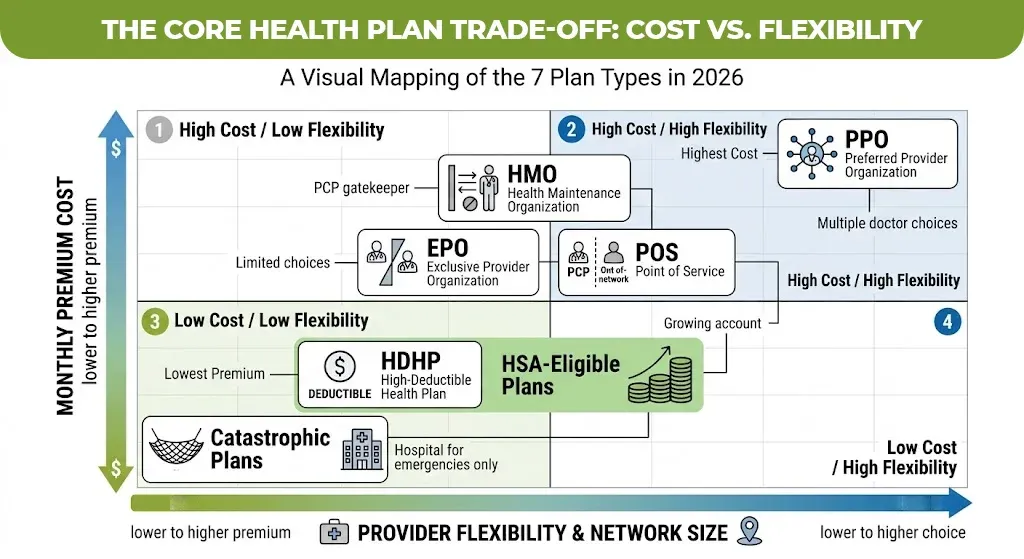
An HMO might be your best option if you're trying to find a plan with a low premium. Nevertheless, a PPO plan supplies extra flexibility if you require more control over your health care. That's why researching these strategies thoroughly, including their pros, cons, and typical costs, is the best first action you can take in the past deciding.

Latest Posts
Essential Medicare Enrollment Advice in 2026
How IUL Policies Secure Retirement
Comparing PPO vs HMO Insurance